Osaka: First Touchdown in Japan
Our first family trip to Japan took us to Osaka in June — hot, humid, crowded, expensive, and very real. This is what it actually felt like.
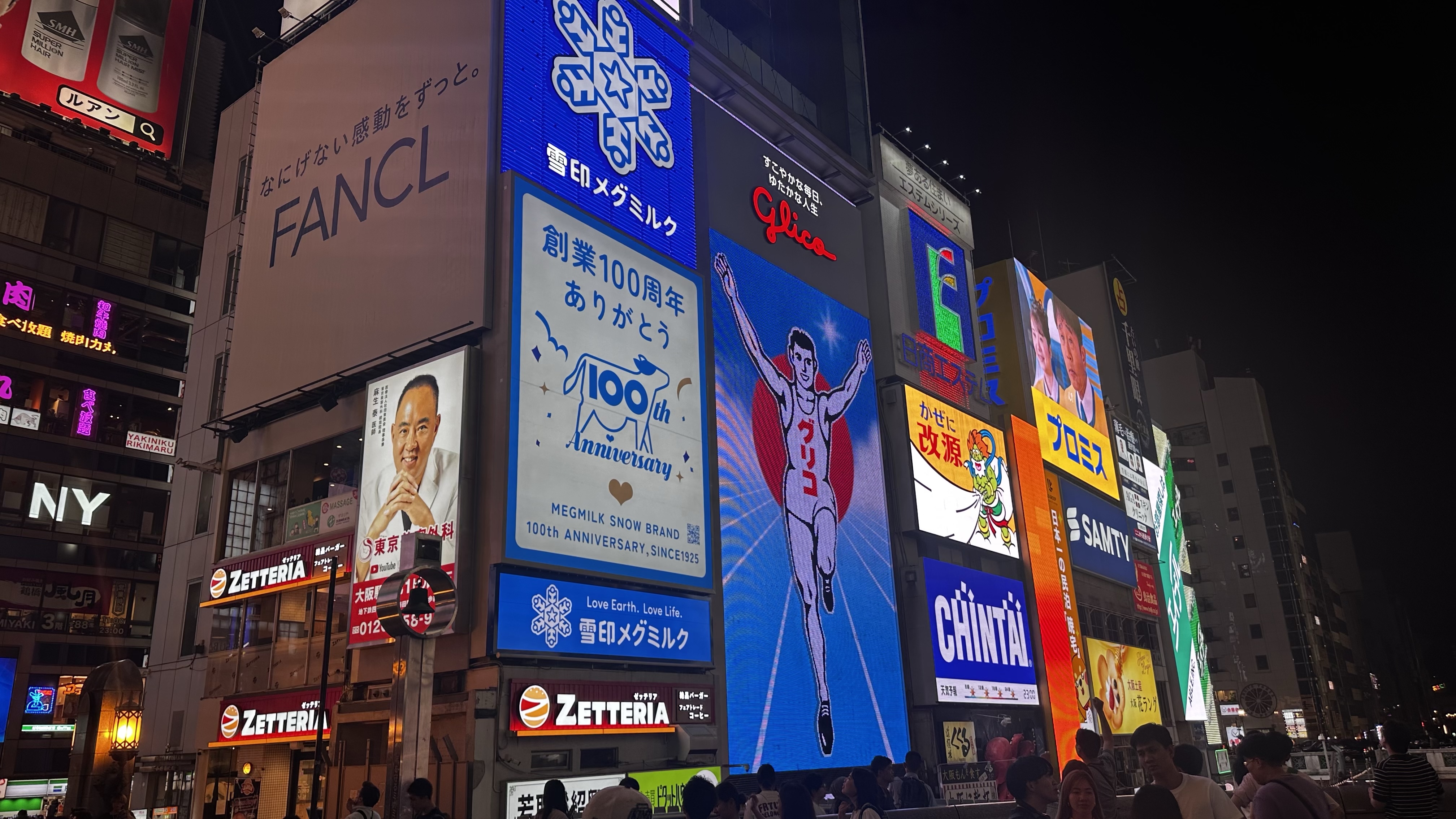
This was my first real touchpoint with Japan, and Osaka felt like a good place to start. It’s busy, noisy, functional, and very much alive.
We were there as a family, between 19 June and 23 June. No strict itinerary. Walk a lot, eat when hungry, figure things out along the way. Japan was also intentional for us — a place where Japanese is the default, not English. That alone already shapes the experience.
June Weather & First Impressions
June in Osaka is hot and humid. Not extreme, but constant.
You sweat without trying. Once crowds build up — especially around Dotonburi — the humidity just sits there. You don’t fight it; you accept it.
And we walked. A lot.
Google Maps works perfectly, signage is clear, navigation is easy. But Japan is big. Something that looks close on the map still ends up being a solid 15–20 minute walk. Definitely not something you can mentally compare with Singapore.
Transport Reality: Walk, Train, Repeat
Public transport is excellent. Trains are reliable, clean, and efficient.
But taxis? Expensive.
Like, noticeably expensive.
Compared to places I’ve been — Hong Kong, Shanghai, and most of Southeast Asia — Japan sits on the higher end when it comes to transport, food, and daily spending. Taxi fares especially make you think twice.
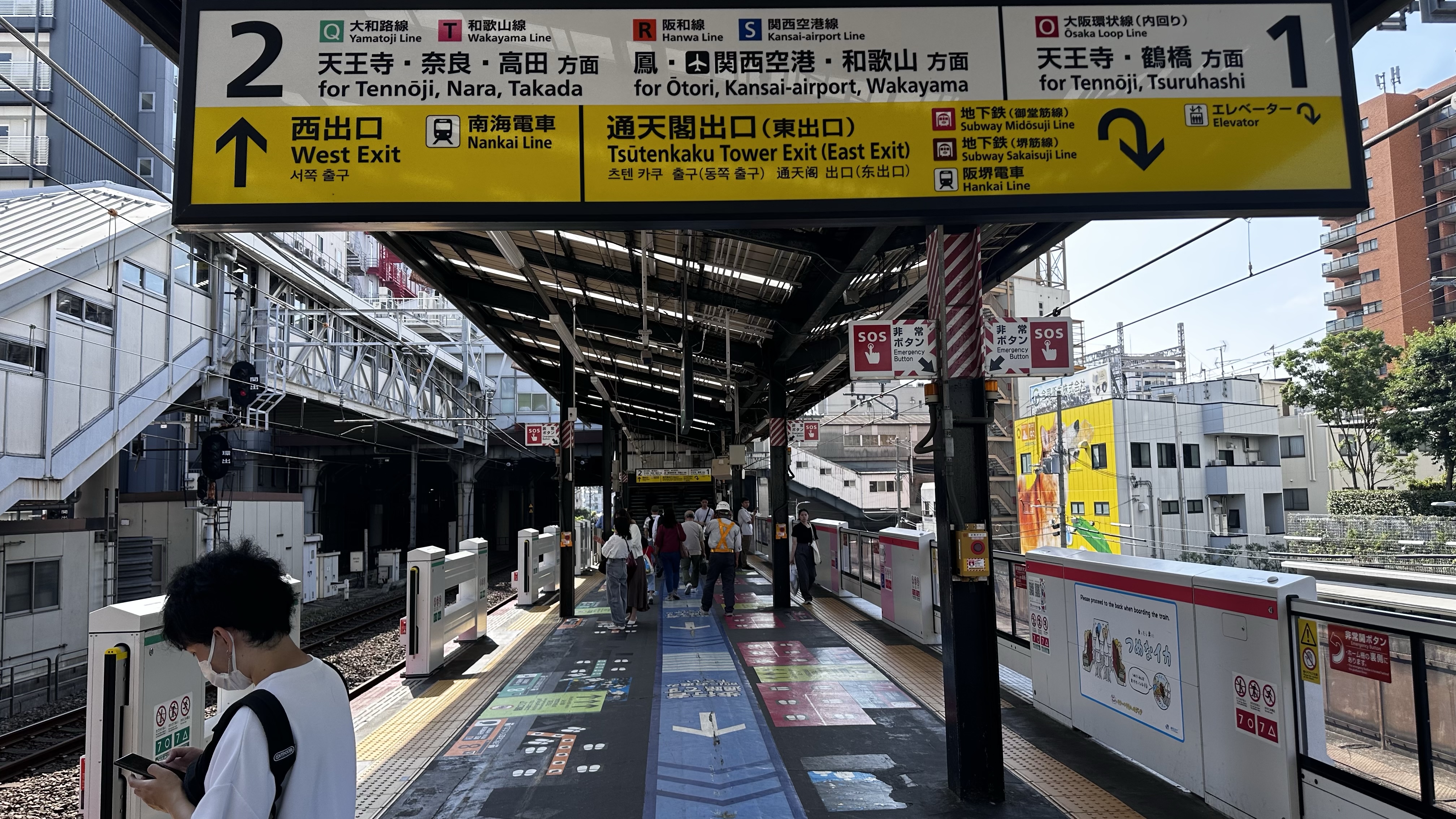
Dotonbori: The Centre of Gravity
If there was one place we kept gravitating back to, it was Dotonbori.
Day or night, it’s always alive — neon lights, crowds, movement, food everywhere. This was where we spent the most time just walking, stopping, observing.
We did the tourist thing and saw the Glico Running Man. And nearby, we hopped onto the Ferris wheel at Donki — the Ebisu Tower Ferris Wheel. Short ride, decent view, one-time experience kind of thing.
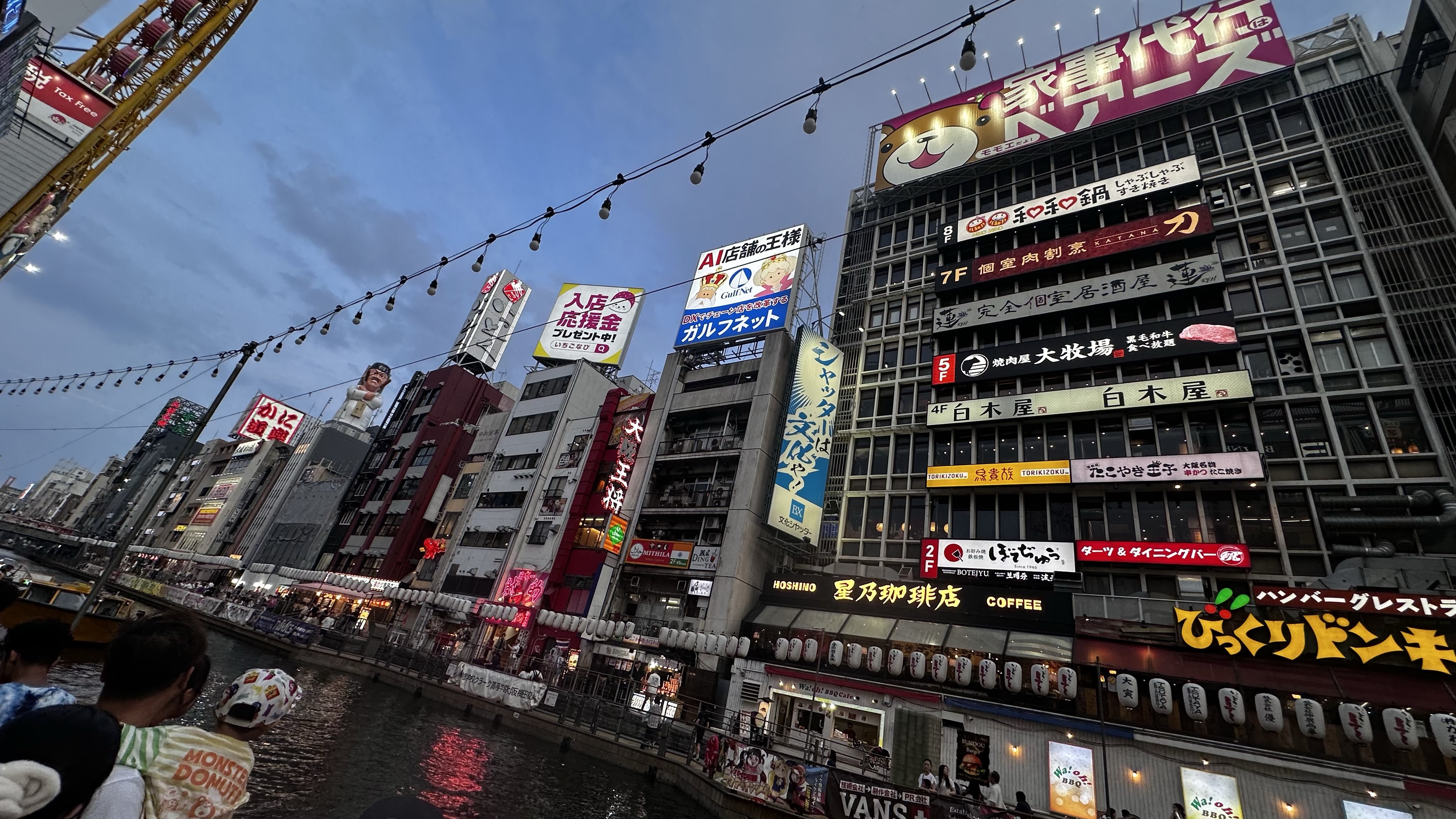
Shinsekai & Tsutenkaku
We also spent time around Shinsekai, which felt like a completely different Osaka.
Older, louder, rougher around the edges. Less polished, more raw. Sitting right in the middle is Tsutenkaku Tower — iconic, but not something you linger at for long.
Shinsekai felt more local, less curated, and honestly quite interesting in its own way.
Tennoji Park: Slowing the Pace
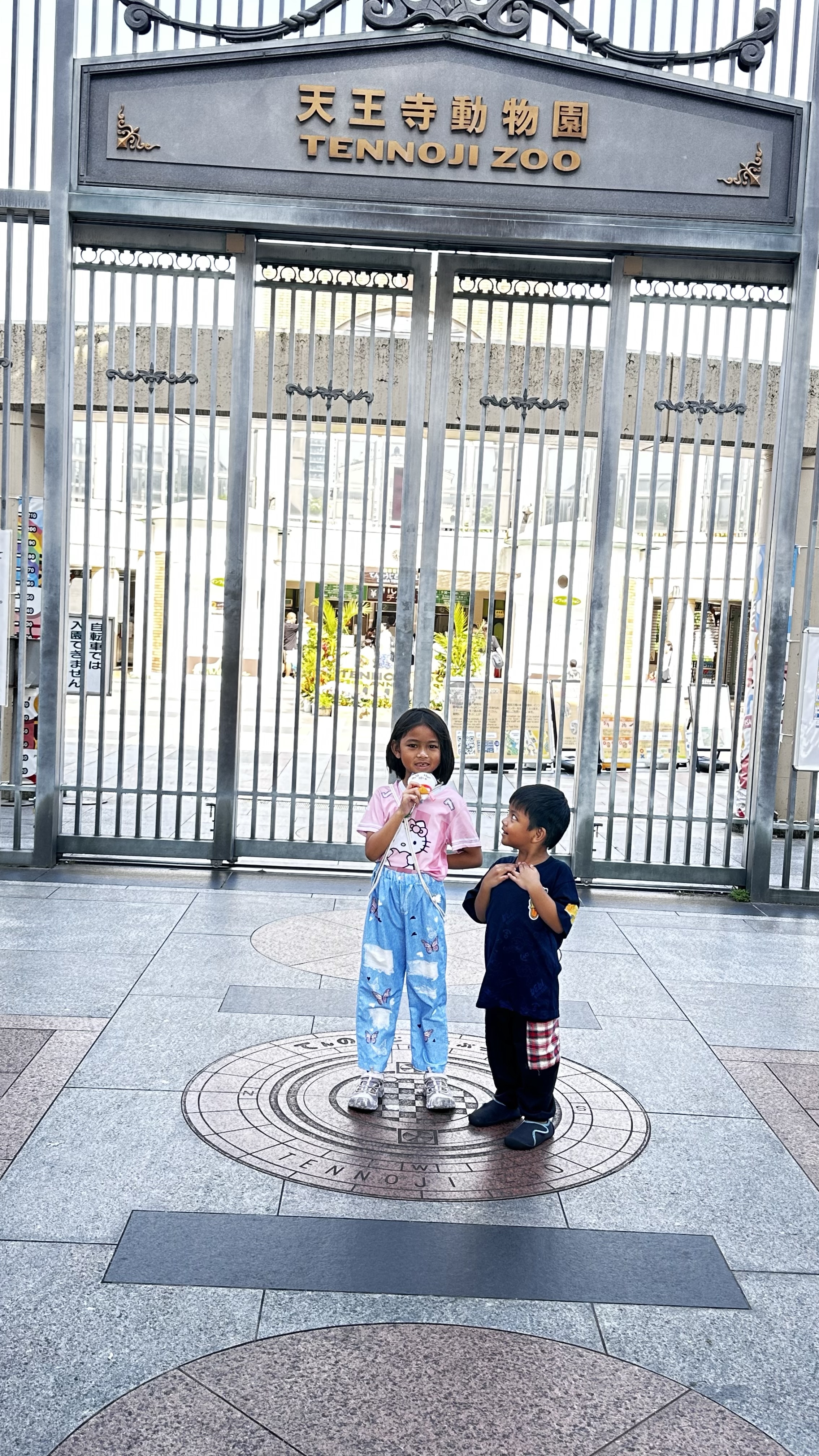
We visited Tennoji Zoo, inside Tennoji Park.
This was more of a breather — quieter, slower, and more kid-friendly. Nothing spectacular, but it worked as a reset point before heading back into the city’s intensity.
Amerikamura & Nishi-Shinsaibashi
We also walked around Nishi-Shinsaibashi, especially Amerikamura.
Streetwear shops, vintage finds, youth culture everywhere. Even without buying anything, it’s an interesting place to walk through and observe a different side of Osaka.
Food
I’ll keep this honest and simple.
Halal food was easier to find than expected, but it’s scattered. That means more planning, more navigation, and more walking.
A couple of reliable stops for us:
- Turkish Halal Kebab – straightforward, filling, dependable
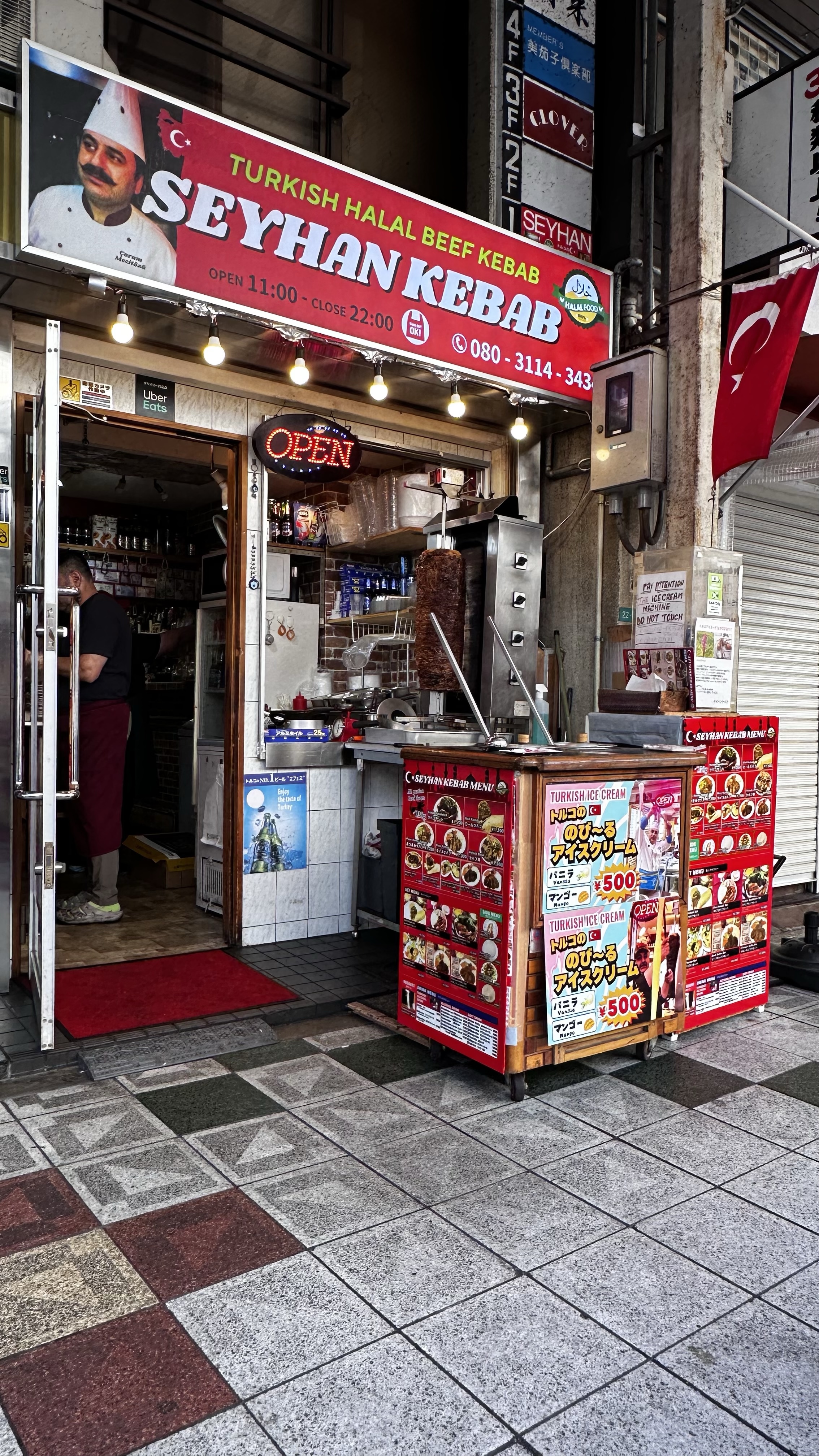
- Seyhan Kebab – another safe option when you want something familiar
Most meals still happened around Dotonbori. Walk, spot something, eat, repeat.
The One Thing That Felt… Off
This is probably the biggest culture shock for me.
Japan feels compressed.
Space is limited, and you feel it everywhere — especially indoors.
Hotel rooms are small, which I expected. But the toilets genuinely caught me off guard. They’re really cramped. I’m about 1.75m, average build, and even then, using the toilet felt uncomfortable. Tight corners, limited legroom, barely any space to move.
This wasn’t a one-off. It felt consistent across accommodations.
I get it — Japan is densely populated, space is premium, everything is optimised and minified. Functionally, it works. But comfort-wise, especially for someone used to Singapore standards, it took some getting used to.
Not a deal-breaker.
But definitely a “huh, this is… different” moment.
How Osaka Felt Overall
Osaka didn’t feel like an easy holiday.
It was hot, humid, crowded, physically demanding, and expensive in ways you notice. Space felt tight. Comfort felt secondary to efficiency.
But everything worked. Trains ran on time. Systems made sense. Once you adjusted your expectations, the city grew on you.