Why AI Is Everywhere but Still Deeply Underutilized
AI is exploding, yet most people use only a fraction of its potential. Here’s why the gap exists — and how anyone can start closing it today.
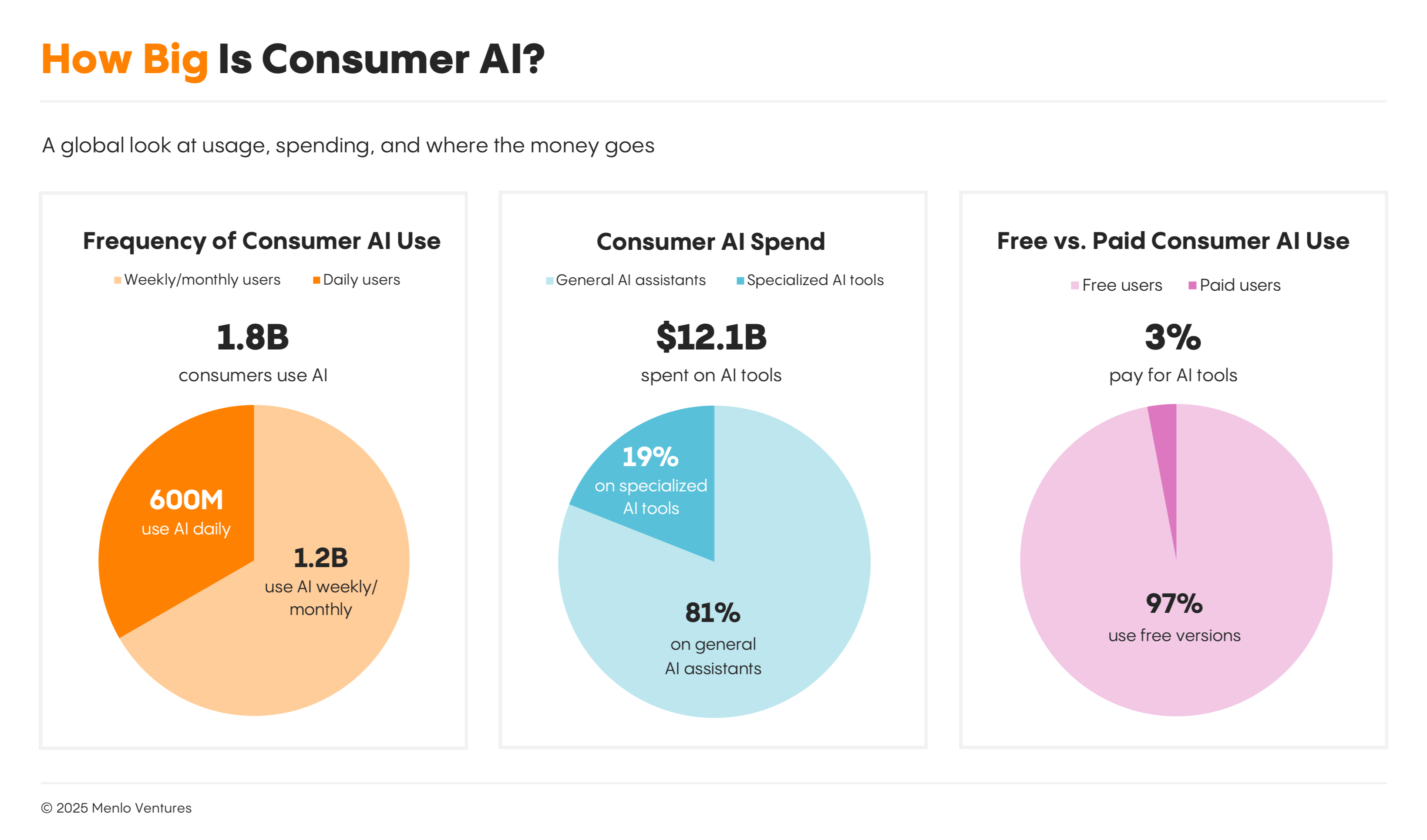
AI Is Everywhere, Yet Still Underutilized — And That Needs to Change
AI has exploded into the world.
Everyone talks about it.
Everyone has “tried” it.
And yet—very few people actually use AI in a meaningful way.
Most people stay at the surface level.
They prompt.
They get an answer.
They move on.
But AI today is no longer just a chatbot.
It is a capable reasoning partner, a thinking assistant, and potentially the most powerful agent you can deploy to offload your mental chores.
And this is where the world is still underutilizing AI on a massive scale.
We’re Letting AI Sit Idle With 90% of Its Power Unused
AI is capable of:
- reasoning
- planning
- problem-solving
- learning from context
- executing workflows
- managing your repetitive tasks
- serving as an agent that works with you
But most people only use it to rephrase emails.
Not because they’re lazy.
Not because they’re not capable.
But because they’ve never been shown how deep this can actually go — or what life looks like when you start delegating your “mental chores” to AI.
AI Is Not Here to Replace Human Thinking — It’s Here to Replace Human Chores
Let’s be honest:
Every job, every role, every routine has a list of tasks that drain your energy but don’t grow your value.
- Formatting documents.
- Writing repeated emails.
- Sorting information.
- Summarising long texts
- Drafting
- SOPs.
- Extracting insights.
- Rewriting things for different audiences.
- Doing admin work.
- Preparing repetitive reports.
- Cleaning data.
- Scheduling.
- Documentation.
The list never ends
These are tasks you have to do.
Even if they don’t inspire you.
Even if they don’t require your full creativity.
This is where AI shines.
Think of AI not as a tool…
but as a colleague who handles every boring, repetitive, time-consuming task you wish you could delegate.
And unlike a colleague — your AI agent never gets tired, never forgets, never complains, and never stops learning how to work better with you.
Most People Use AI Like Google — But AI Is More Like an Assistant You Haven’t Hired Yet
If you ask AI a one-liner question, you’ll get a one-liner answer.
That’s not utilization.That’s casual use.
Real AI utilization looks like:
- “Help me plan.”
- “Help me reason about this problem.”
- “Take this messy info and turn it into something usable.”
- “Draft the first version for me so I can refine it.”
- “Organize this for me.”
- “Automate this weekly workflow.”
- “Think on my behalf for this category of tasks.”
This is how you reclaim hours.
This is how you reduce mental fatigue.
This is how you shift your energy from repetitive tasks to meaningful work.
So Why Are People Still Stuck at Surface-Level AI Usage?
1. AI Literacy Exists. AI Fluency Doesn’t.
People know how to access AI.
But they don’t know how to use it fully.
2. Most Users Are Afraid to Push AI
There’s a fear of “doing it wrong” or “not being good enough with AI.”
3. People Don’t Realize AI Can Think for Them
They assume they still need to do all the thinking and let AI decorate the answer — not realizing AI can do the heavy lifting.
4. We’ve Never Learned to Delegate to Machines
We’re trained to do everything ourselves.
AI requires a mindset of letting go of the small tasks.
And letting go is a skill.
The Utilization Gap Is Becoming the New Digital Divide
This is the uncomfortable truth:
AI won’t take away jobs, but people who use AI well will absolutely outperform those who don’t.
You don’t need to be a coder, engineer, or “AI person.”
You just need to know how to delegate your mental chores to AI.
And that alone already puts you ahead of almost everyone.
But What If My Job Isn’t AI-Related? What If I’m Not a Knowledge Worker?
Even if your job is physical — delivery, logistics, frontline roles, technician work — AI still makes your life easier in ways people often overlook:
1. Planning
AI can optimize routes, schedule tasks, help you plan your day, and reduce friction.
2. Communication
Draft messages to customers, employers, partners — faster, clearer, more professional.
3. Personal Growth
AI becomes your career coach, financial advisor, mentor, learning partner.
4. Future-Proofing
Even if today’s job doesn’t rely on AI, your next opportunity might — and AI becomes your bridge into that world.
No one is disqualified from using AI.
AI helps anyone who deals with information, planning, decisions, scheduling, communication, or learning — which means everyone.
How Anyone Can Start Closing the Gap — Without Being “Tech-Savvy”
Here’s a simple, realistic path forward.
1. Start Small: Ask AI One Daily Work Question
Anything that would save you time or thinking.
2. Replace One Repetitive Task per Week
Emails
Summaries
Reports
Documentation
Templates
Planning
Writing
If AI produces the first draft, your workload instantly halves.
3. Build One Reusable System per Month
A checklist.
A process.
A template.
A mini automation.
Small systems compound fast.
4. Treat AI Like a Team Member, Not a Search Bar
Explain context.
Explain your goal.
Explain your constraints.
Explain what you want refined.
The more you treat AI as something that works with you, the more it unlocks.
The Real Message: AI Is Here to Amplify You, Not Replace You
People fear AI because they imagine it replacing their creativity.
But that’s not what AI is designed for.
AI is here to:
- remove the boring parts
- offload the repetitive parts
- free your mental space
- help you think deeper
- act as a partner
- accelerate your speed
- let you focus on human work
Your creativity, decision-making, judgement, empathy, and vision — these cannot be replaced.
AI just clears the noise so you can operate at your highest level.
If You Don’t Use AI, You’ll Be Stuck Doing Tasks AI Could Have Done For You
Not because AI is coming for your job,
but because the people who use AI will simply have more bandwidth, more output, more clarity, and more leverage than those who don’t.
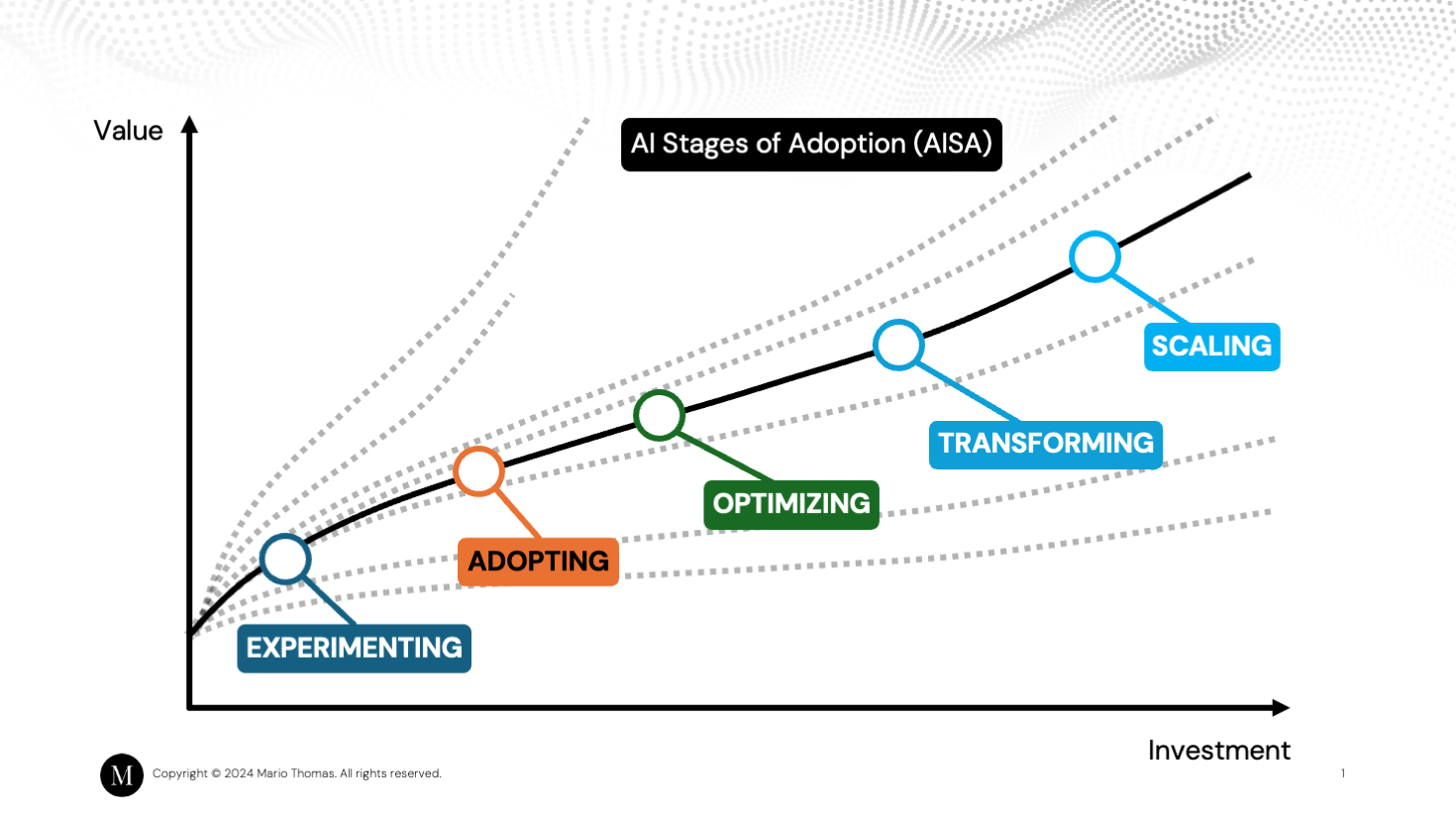
The gap isn’t about intelligence.
It’s about adoption.
And today, you can start closing that gap — one small habit at a time.